
Heat-Related Illness and Heatstroke: It’s Preventable
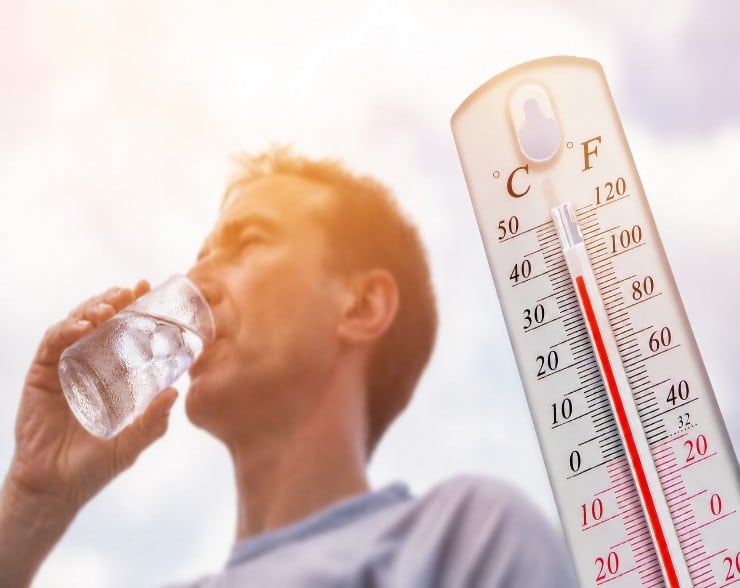
Every summer, the news carries the same heartbreaking story. A young athlete collapses during outdoor practice. A child loses consciousness at a summer camp. A worker succumbs to the heat on a job site. And each time, the reaction is the same – shock, grief, and the lingering question that never quite gets answered loudly enough:
How does this keep happening?
The answer is both simple and frustrating. Heat-related illness is preventable. And understanding why it happens – at a deeper level than most public health messaging goes – is the first step toward stopping it.
At Oxygen Orchard in Wharton, TX, heat related illness prevention is not just a talking point. It is a mission rooted in science, compassion, and the belief that no family should lose someone to a condition that did not have to happen.
What Causes Heat-Related Illness?
The standard explanation goes something like this: heat-related illnesses are primarily caused by dehydration, combined with the body’s inability to cool itself. When you are dehydrated, your body cannot produce enough sweat to dissipate heat, causing your internal core temperature to rise and triggering conditions like heat exhaustion and heatstroke.
While hypoxia, which is the lack of oxygen to tissues, can occur as a severe complication during late-stage heatstroke, it is typically described as a result of the illness rather than its primary cause. Extreme heat and cardiovascular strain impair the body’s ability to circulate oxygen, and that impairment is what drives the most dangerous symptoms.
That explanation is accurate as far as it goes. But it does not go far enough. And understanding what it leaves out may be the key to saving lives.
The Oxygen Connection: What the Standard Explanation Misses
Here is the question that deserves more attention: why does dehydration cause core temperature to rise in the first place?
The answer lies in the relationship between oxygen and water, a relationship that is fundamental to how the human body functions and one that heat disrupts in a very specific and very dangerous way.
Through the study of the properties of oxygen, we know that oxygen becomes unsaturated in a heat environment. When oxygen is saturated, or dissolved, it becomes a property of the water itself. The two exist together as a bonded pair, each depending on the other to do their jobs inside the body. But when exposed to heat, oxygen removes itself from its water partner. The bond breaks. And when that bond breaks inside the human body, the consequences are felt everywhere at once.
When the phrase “causing your internal core temperature to rise” is examined at a deeper level, what it actually describes is oxygen being released from all bodily fluids simultaneously. This includes blood, lung fluids, brain fluids, plasma, and the full range of fluid systems that keep every organ and tissue functioning. As oxygen decreases across those systems, the brain begins to register the deficit. And when the brain registers an oxygen deficit, heat-related symptoms follow: weakness, confusion, headache, dizziness, nausea, and in severe cases, loss of consciousness.
Why the Brain Is the First Thing to Fail
The phrase “extreme heat and cardiovascular strain impair the body’s ability to circulate oxygen” points to something critical that often gets lost in general health messaging.
If the brain is even slightly deprived of oxygen, everything shuts down. Including the body’s own ability to circulate oxygen.
This is not a minor detail. It is the central mechanism of heat-related illness at its most dangerous stage. The brain does not tolerate oxygen deprivation the way other organs can. It reacts immediately, and its reaction is to begin shutting down non-essential functions to preserve itself. Coordination fails. Judgment is impaired. The signals that normally regulate heart rate, breathing, and circulation become unreliable. And if the deprivation continues, the body loses the very tools it needs to recover on its own.
This is why heatstroke can turn fatal so quickly. It is not simply a matter of being too hot. It is a cascading failure that begins with oxygen leaving bodily fluids and ends with the brain losing its ability to manage the crisis.
The Case for Supplemental Oxygen
If heat-related illness is fundamentally connected to oxygen depletion in bodily fluids, then the logical intervention is clear: restore the oxygen.
Supplemental oxygen addresses the core of the problem in a way that water and rest alone cannot. Hydration is essential and should never be overlooked. But rehydrating the body does not instantly restore the oxygen that heat has displaced from bodily fluids. Supplemental oxygen gives the brain and body what they need most in a heat emergency, a direct and immediate source of the very thing that heat has taken away.
This is especially important in the critical window before emergency medical services arrive. In those first minutes, when a young athlete has collapsed on a practice field or a worker has gone down on a job site, the difference between a full recovery and a permanent injury, or worse, can come down to whether supplemental oxygen was available and used.
It Does Not Have to End This Way
Every time a child loses consciousness during outdoor sports in hot weather and does not survive, it is a tragedy that did not have to happen. Every time a family gets that phone call, it represents a moment where the right knowledge and the right tools could have changed everything.
Heat-related illness is not a mystery. It is not an unavoidable risk of summer activity. It is a predictable, understandable, and preventable condition, and the science behind it gives us everything we need to stop it.
Understanding that oxygen and water work together inside the body, that heat disrupts that partnership, and that restoring oxygen is a critical part of any heat emergency response, is knowledge that belongs in every school, every athletic program, every workplace, and every home.
At Oxygen Orchard in Wharton, TX, we believe that heat related illness prevention begins with education and ends with action. The tools exist. The science is clear. And the lives at stake are worth every effort to get this information into the hands of the people who need it most.
Because it is preventable. And it should be prevented.


